Sometimes, mental health advocacy begins with something simple: reminding a young person that they are not alone.
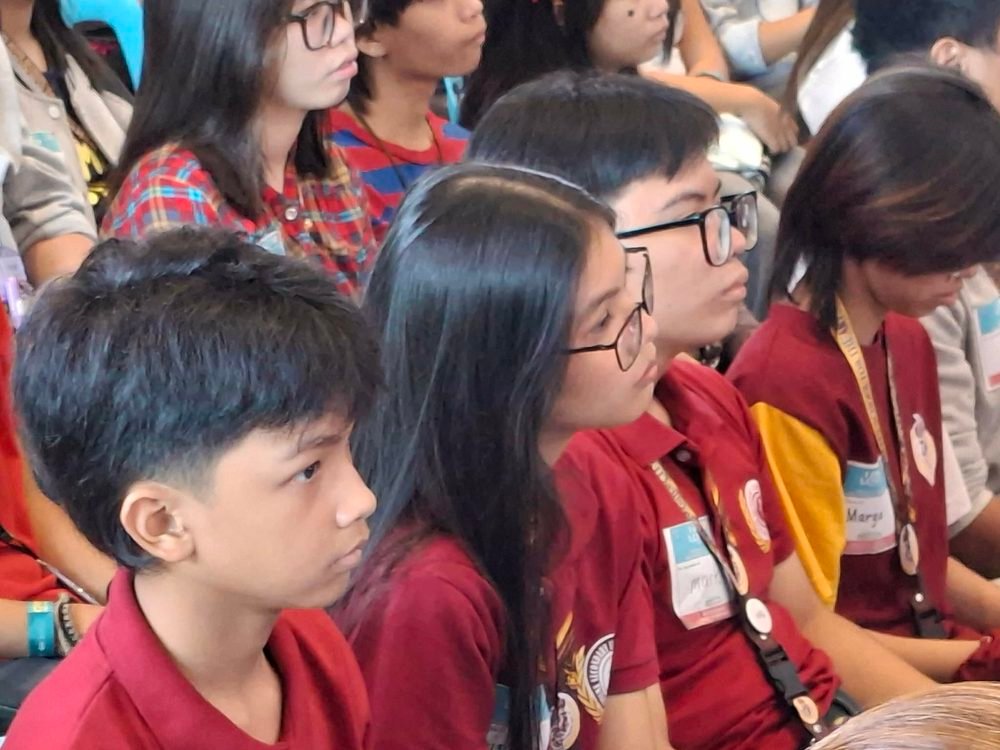
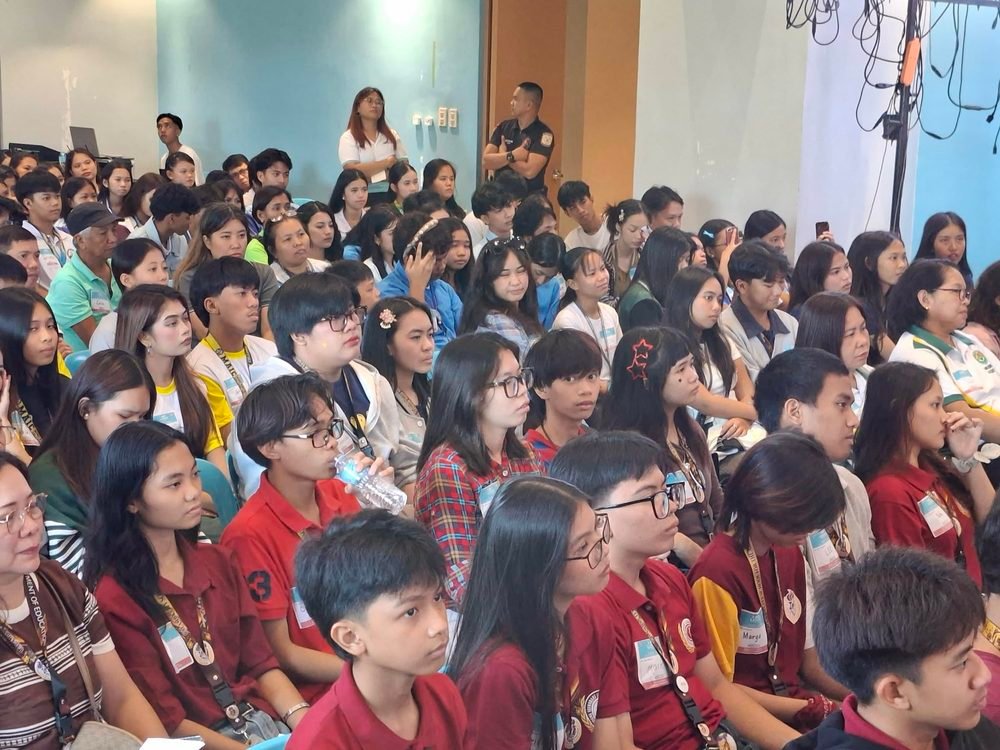
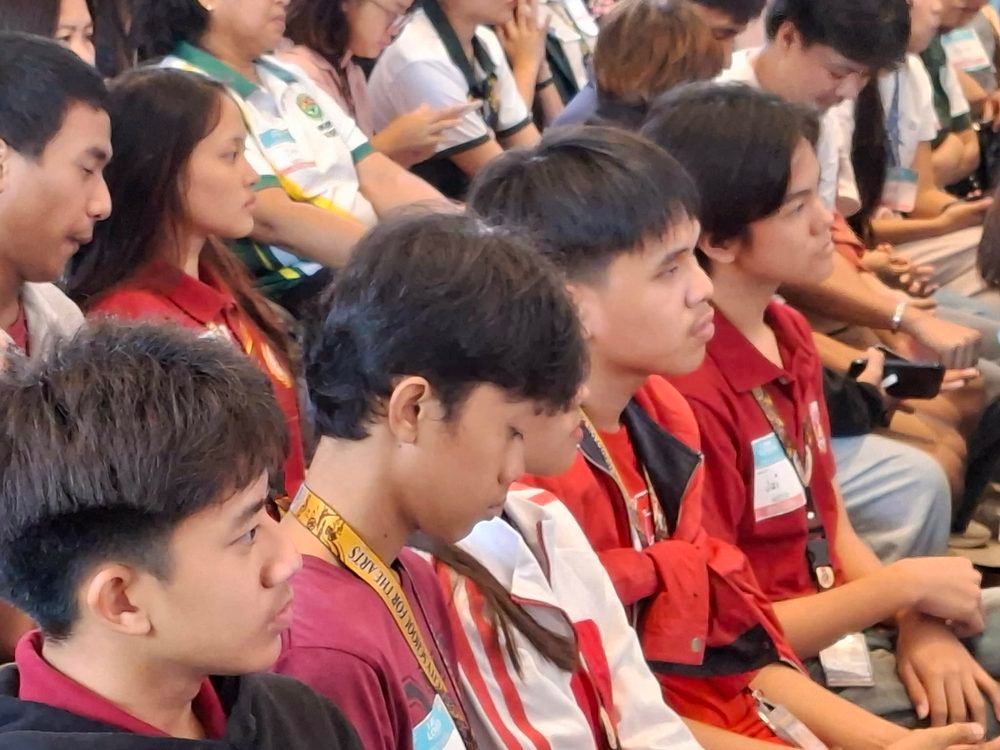
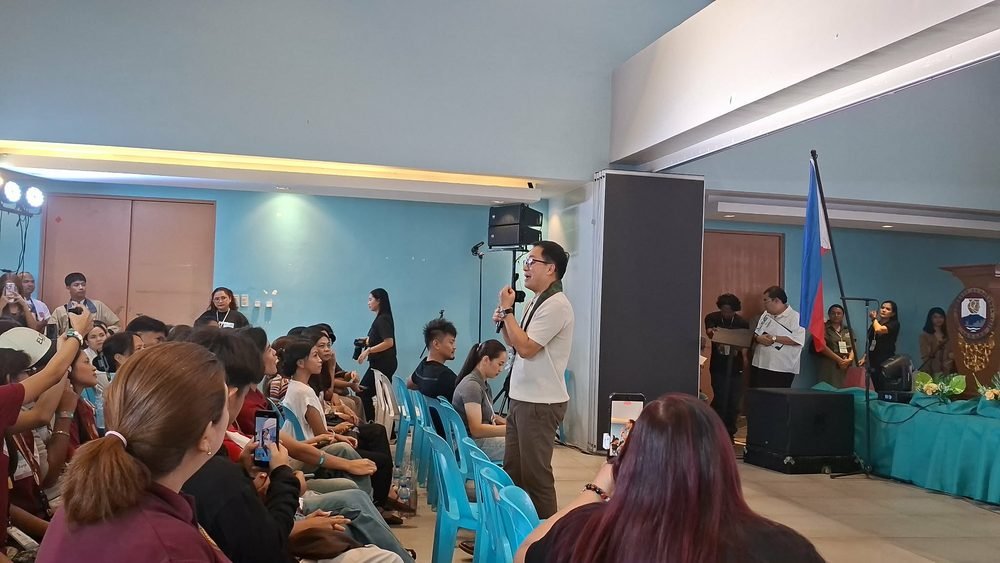
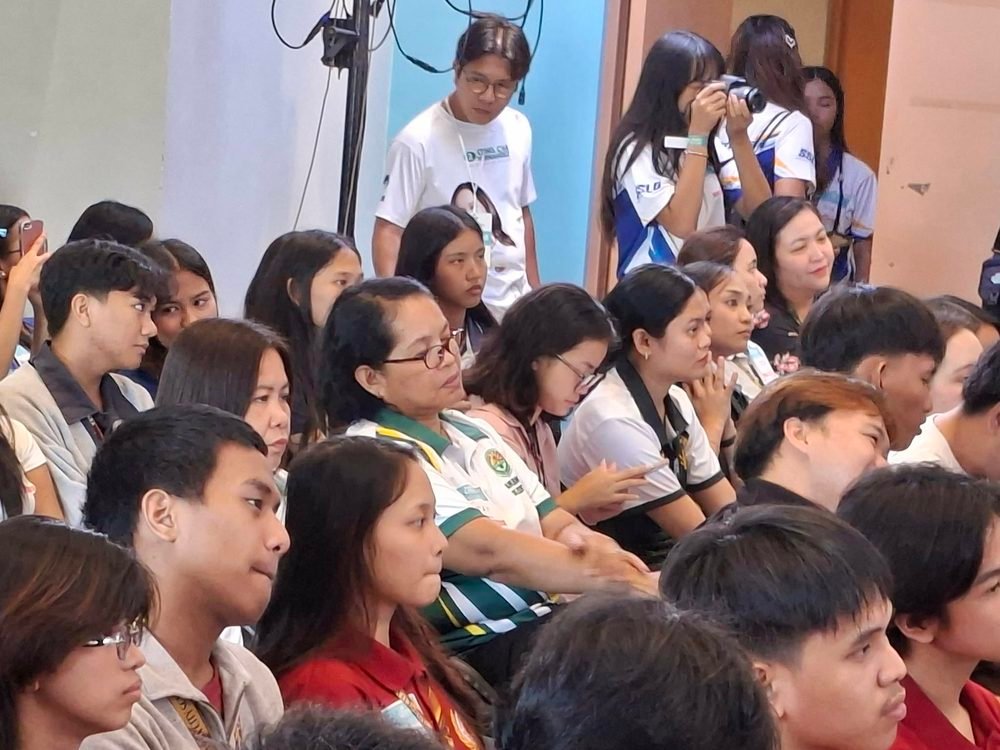
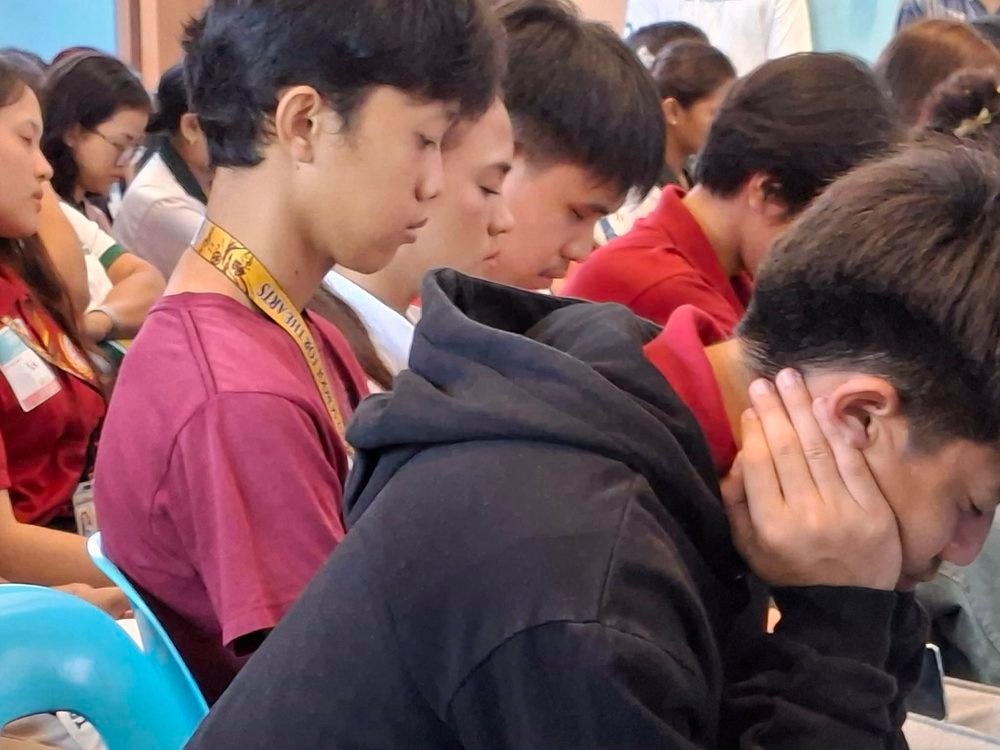
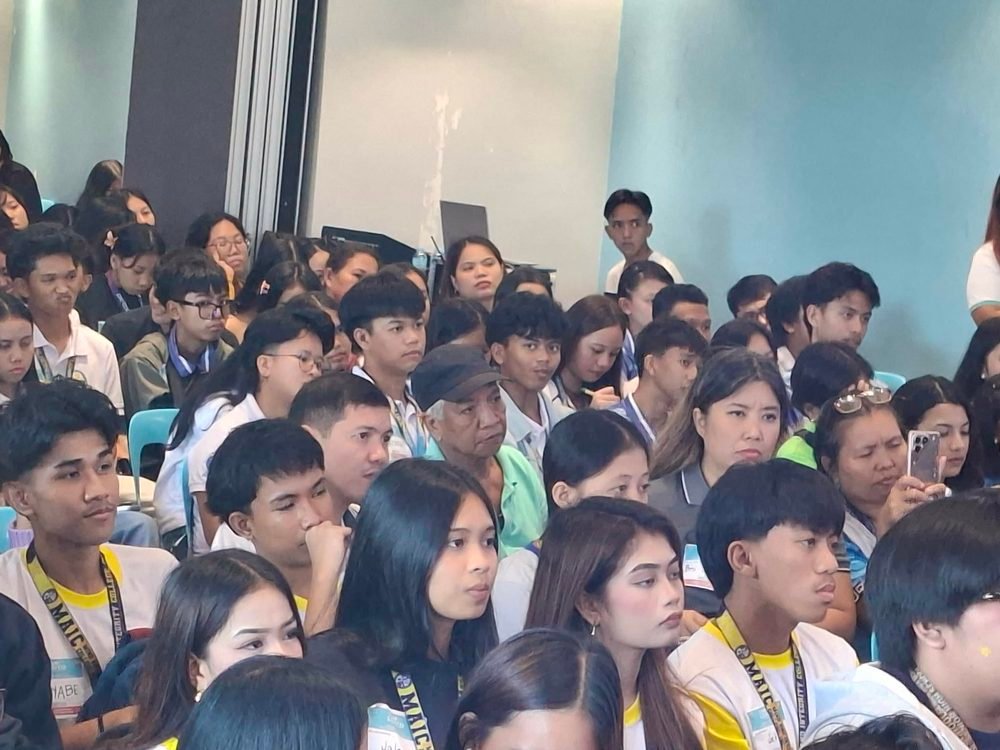
That message took center stage on Saturday, September 19, as around 650 senior high school and college students gathered at the Jose Rizal Coliseum for a mental health wellness forum designed to raise awareness, challenge stigma, and encourage young people to seek support when facing emotional and psychological difficulties.
Led by Calamba City Lone District Representative Cha Hernandez, the gathering formally launched the “I Am Loved” Campaign, an initiative that places mental health and wellness at the center of conversations involving young people, schools, barangays, and communities.
More than a forum, the campaign seeks to create spaces where mental health concerns can be discussed openly and where young people can be connected to people and institutions capable of providing appropriate support.
Beyond Awareness: Building Support at the Community Level
One of the campaign’s major components was the Mental Health Wellness Forum, “Mind Your Mind, Young Champions!”, which brought together students, government representatives, mental health professionals, advocates, and community partners.
The discussions underscored an important reality: awareness is only one part of addressing mental health concerns.
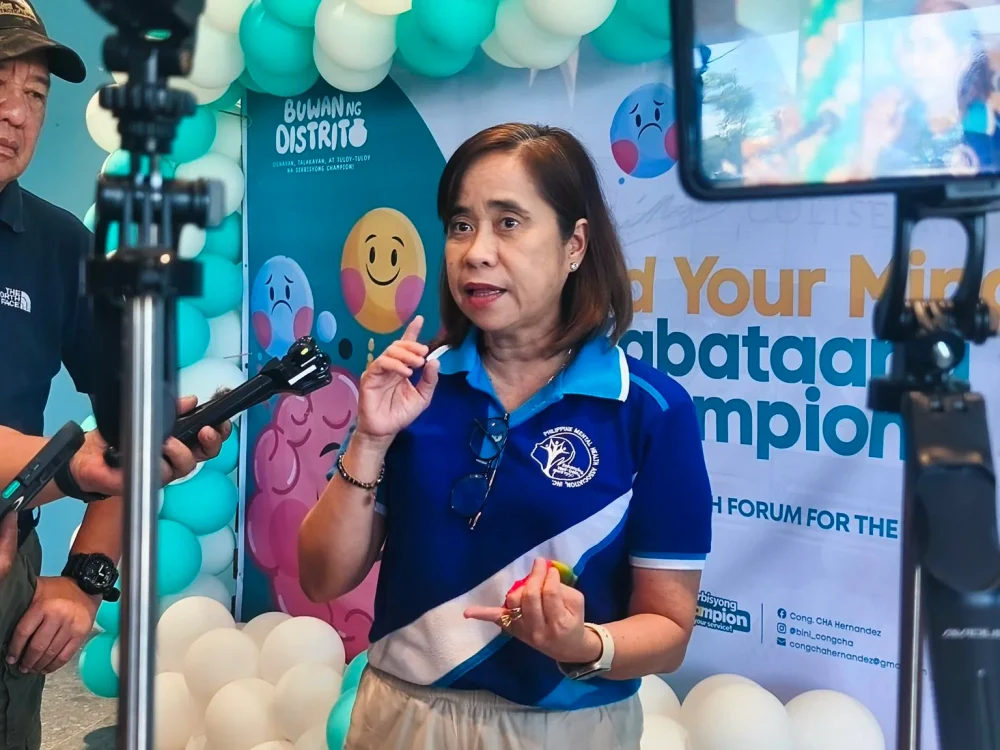
Dr. Carolina Uno Rayco, RGC, RPsy, National Executive Director of the Philippine Mental Health Association (PMHA), discussed depression and other mental health concerns affecting young people.
Rayco emphasized the importance of equipping health workers, educators, and community advocates with the knowledge and skills needed to recognize mental health concerns and provide appropriate initial support.
She also highlighted PMHA’s continuing efforts to train and capacitate individuals at the grassroots level, particularly in barangays, as part of efforts to expand access to mental health information, education, and services.
This community-based approach recognizes that mental health support does not happen only inside hospitals or clinics. Schools, families, barangays, and other community institutions can also play an important role in identifying concerns and helping people connect with appropriate services.
Bringing Mental Health Support Closer to the Barangays
Vice Mayor Angelito “Totie” Lazaro also shared words of encouragement with the participants.
In an interview, Lazaro said a training-of-trainers program could be workable and feasible, particularly because an existing workforce at the barangay level could be mobilized to help disseminate mental health information and awareness.
He pointed to the potential of strengthening the capacity of community-level workers so that mental health education and appropriate support can reach residents closer to where they live.
The idea reflects a broader principle in community mental health: information becomes more meaningful when people know not only what mental health concerns are, but also where to turn and what to do next.
Partnership Formalized Through MOA
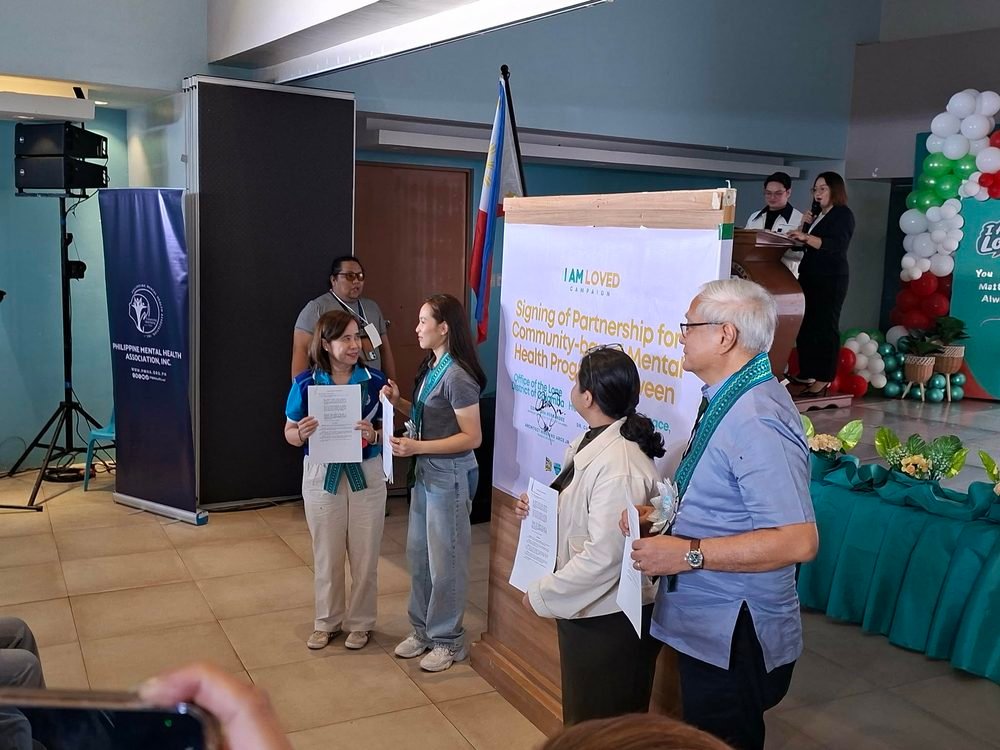
The campaign’s second major component was the formalization of a partnership between the Office of Representative Hernandez and PMHA.
The partnership was formalized through the ceremonial signing of a Memorandum of Agreement, with PMHA President Architect Mariano Arce Jr. and Dr. Uno Rayco signing on behalf of the organization.
The collaboration focuses on mental health promotion, psychoeducation, awareness, and referral mechanisms in schools and barangays.
For communities, such partnerships can help bridge an important gap: connecting awareness campaigns with actual channels through which students, families, and residents can seek reliable information and appropriate assistance.
From Personal Struggle to a Message of Hope
The forum also featured wellness activities designed to help participants manage stress and anxiety.
Yoga and meditation mentor Maxene Magalona led the students in a box-breathing exercise, followed by a short meditation session intended to promote relaxation, mindfulness, and awareness of one’s emotions.
For Magalona, the discussion of mental wellness was not simply a matter of teaching techniques. It was also connected to her own journey.
Magalona has publicly spoken about her struggles with depression, anxiety, and other mental health challenges. She has also shared that she was diagnosed by her psychiatrist with Complex Post-Traumatic Stress Disorder (C-PTSD) and that yoga and meditation became part of her personal healing journey.
In earlier interviews and personal accounts, Magalona has described how meditation helped her confront difficult emotions and become more aware of what she was experiencing rather than simply suppressing those feelings. She has also spoken about therapy, journaling, yoga, meditation, and her relationship with God as parts of the process she used to cope with her condition.
That personal experience gave added meaning to her message before the students in Calamba: mental health struggles do not have to be faced in silence, and seeking healthier ways of coping can be part of the journey toward healing.
Magalona also shared a message of hope, emphasizing the importance of faith, resilience, and the belief that every person is loved by God as they navigate life’s challenges.
She later performed “Kaleidoscope World,” a song popularized by her father, Filipino hip-hop pioneer Francis M. Magalona, adding a musical highlight to the wellness gathering.
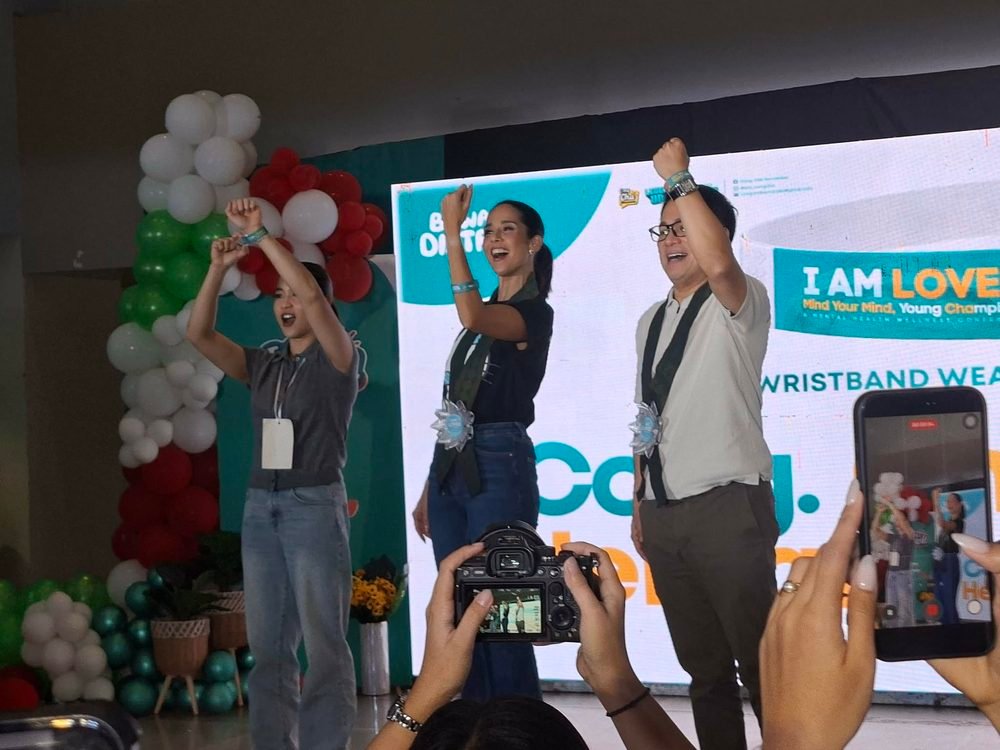
Her presence at the forum connected personal experience with community advocacy—showing the young participants that conversations about mental health can include not only professional guidance, but also stories of struggle, recovery, hope, and the continuing process of healing.
A Message for the Young Champions
For Hernandez, the campaign is also about empowering young people to become advocates for mental wellness.
In her message, she encouraged participating students to help foster a culture of understanding and compassion toward people experiencing mental health challenges.
She also underscored the importance of having someone to talk to and knowing where to seek assistance during difficult moments.
That message is particularly important in a culture where emotional struggles can sometimes remain unspoken.
The “I Am Loved” Campaign seeks to encourage more open conversations about mental health and help reduce the stigma surrounding emotional and psychological difficulties.
At its heart is a simple reminder: asking for help is not something that should be met with shame.
For young people navigating academic pressures, relationships, family concerns, personal struggles, and the uncertainties of growing up, knowing that someone is willing to listen can matter.
And sometimes, telling them “I am loved” is where that conversation begins.
Southpost PH believes that mental health awareness is not only about understanding the challenges people face. It is also about building communities where people feel safe enough to speak, seek help, and know that support is within reach.

- I Am Loved: Calamba Youth reminded that Mental Health support begins with being heard - September 20, 2026
- Perpetual at 50: Character Building is Nation Building - September 18, 2026
- Modernization of border security now an imperative — DOJ chief - September 16, 2026